The Executive's Implementation Guide to Complete Traceability
Avoid traceability pitfalls with this executive guide—frameworks, change management, successful deployment strategies, and measurement tactics.
Anshuman Chaudhary
Share:
Implementing pharmaceutical traceability requires a phased approach that treats the project as an organizational transformation, not a technology deployment. Successful implementations follow a five-phase framework: strategic foundation and stakeholder alignment (months 1–2), platform architecture and design (months 2–4), stakeholder enablement and change management (months 3–6), phased rollout (months 4–9), and continuous optimization (ongoing). Companies that follow this structured approach achieve compliance and operational transformation; those that treat traceability as a pure IT project consistently face adoption failures, timeline delays, and suboptimal results.
The failure patterns are well-documented: treating traceability as technology-only rather than organizational change, misalignment between manufacturers, distributors, and pharmacies, building for minimum compliance rather than strategic value, and underestimating change management. In one 11-site study, serialization capital costs averaged €600,000 per line — four times regulatory estimates — yet 88% of sites reported no net productivity gain. This guide provides the frameworks, phase-by-phase playbook, and hard-learned lessons from implementations across multinational pharmaceutical companies.
Introduction
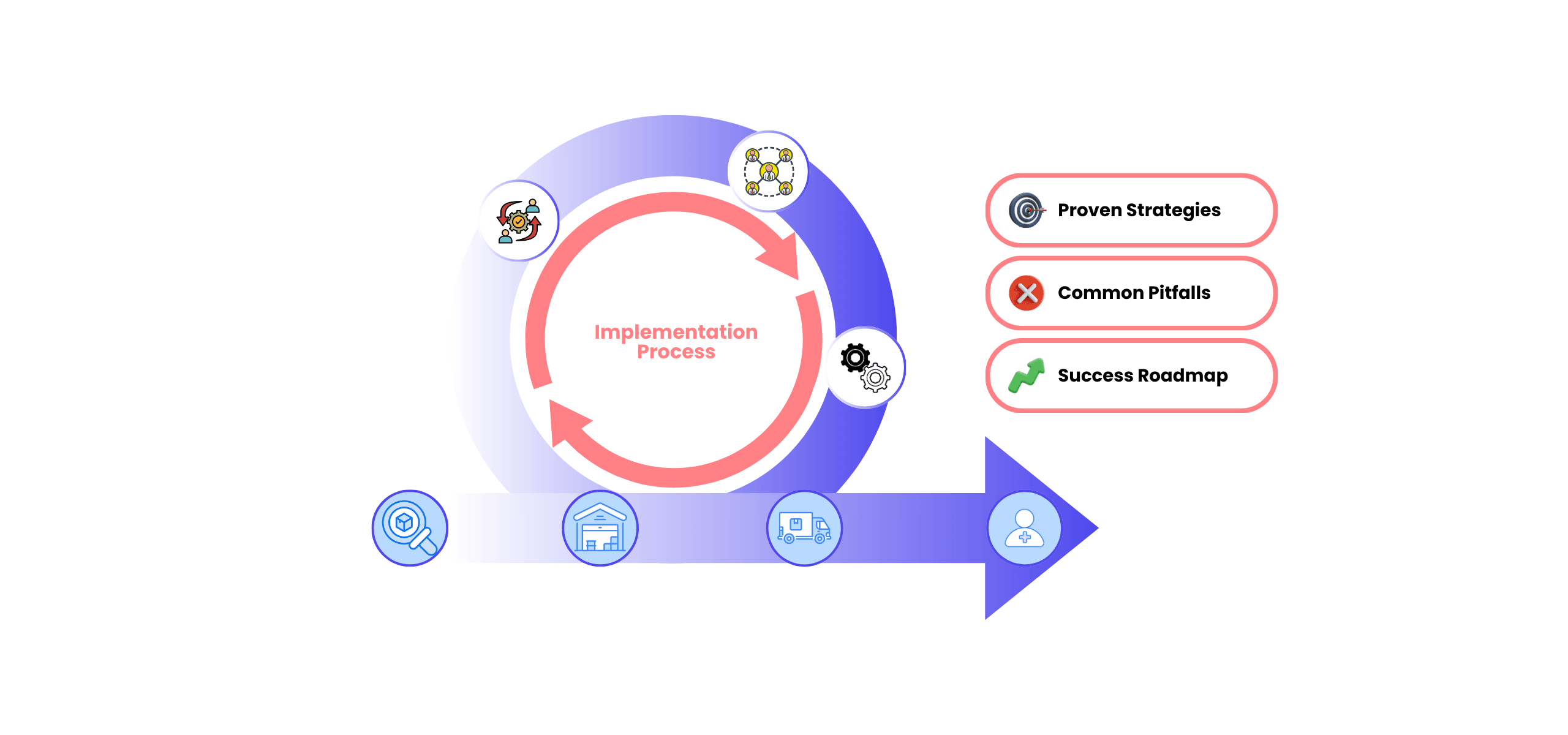
Proven strategies, common pitfalls, and the roadmap that successful pharmaceutical companies follow
The pharmaceutical executive's frustration was palpable. "We've been working on this traceability project for eighteen months," she said. "We're millions over budget, six months behind schedule, and we still can't track a single product end-to-end. Where did we go wrong?"
This conversation, unfortunately, represents the reality many pharmaceutical companies face during complex technology implementations. While specific failure rates for traceability projects aren't definitively documented, industry experience shows that successful implementations require significantly more organizational transformation focus than technology focus. Companies that treat traceability as purely a technology project consistently struggle with adoption, timeline delays, and suboptimal results. Yet the 30% that succeed don't just meet compliance requirements—they transform their operations and create lasting competitive advantages.
After implementing complete traceability solutions across numerous multinational pharmaceutical companies, we've identified the critical factors that separate successful implementations from expensive failures. The difference isn't in the technology—it's in the approach, the planning, and the understanding that traceability implementation is fundamentally an organizational transformation, not just a technology deployment.
This guide provides pharmaceutical executives with the proven strategies, practical frameworks, and hard-learned lessons that ensure traceability implementations succeed on time, on budget, and with transformational results.
Why Most Traceability Implementations Fail
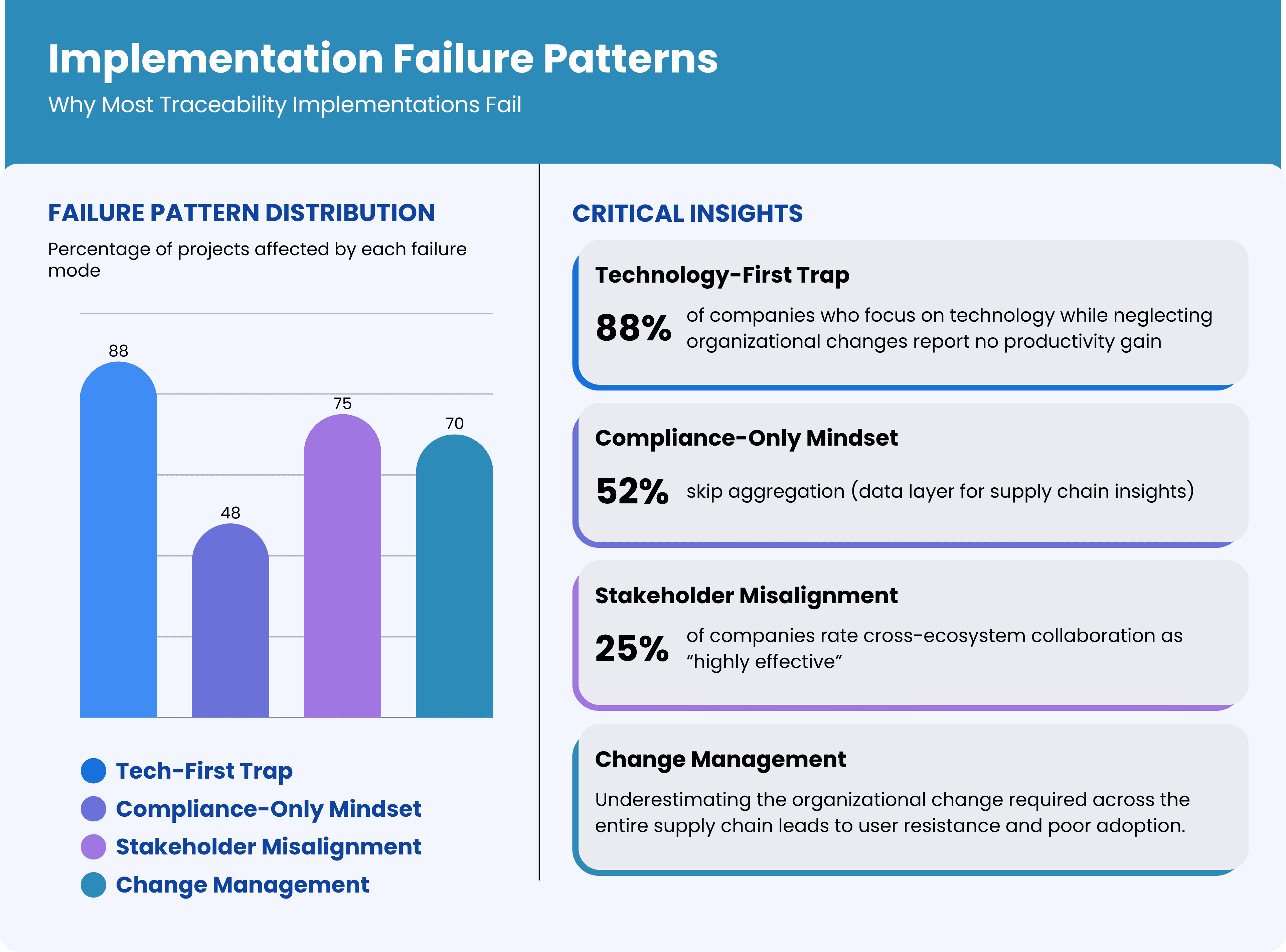
Before diving into success strategies, it's crucial to understand why so many traceability projects stumble. Our analysis of failed implementations reveals consistent patterns:
1. The Technology-First Trap
The most common failure mode is treating traceability as a pure technology implementation. Companies focus on selecting software platforms, installing hardware, and integrating systems while neglecting the organizational and process changes required for success. Technology is the enabler, not the solution. In one 11-site Irish study, serialization capital costs averaged €600,000 per line, four times regulatory estimates, yet 88% of sites reported no net productivity gain.
2. Stakeholder Misalignment
Pharmaceutical traceability involves multiple stakeholders—manufacturers, distributors, pharmacies, regulators—each with different priorities, systems, and incentives. Projects that don't address stakeholder alignment from day one inevitably face resistance, adoption problems, and integration challenges. End-to-end pharmaceutical traceability touches manufacturers, CMOs, 3PLs, wholesalers, hospitals, pharmacies, and regulators. Bain’s Global State of Traceability survey found only 25% of companies rate their cross-ecosystem collaboration as “highly effective”.
3. Compliance-Only Mindset
Companies that implement traceability solely for regulatory compliance build systems that meet minimum requirements but miss opportunities for operational improvement and competitive advantage. These implementations often become cost centers rather than value creators. A 2021 PMMI survey notes that 52% of pharma plants implementing US DSCSA standards skipped aggregation—the data layer required for actionable supply-chain insights—because “it wasn’t mandated”.
4. Underestimating Change Management
Traceability implementation requires significant changes to established workflows, processes, and behaviors across the entire supply chain. Companies that underestimate the change management component face user resistance, poor adoption, and suboptimal results.
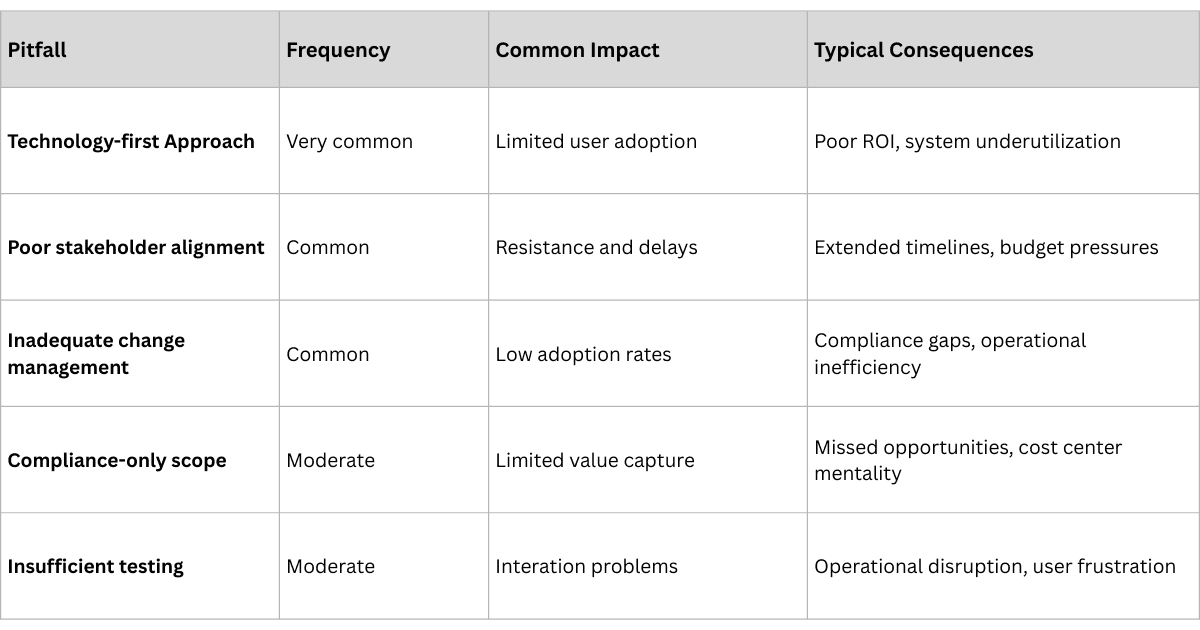
Common Implementation Pitfalls
The Proven Implementation Framework
Successful traceability implementations follow a structured approach that addresses technology, people, processes, and organizational alignment simultaneously. Our framework consists of five phases, each with specific objectives, deliverables, and success criteria.
Phase 1: Strategic Foundation (Months 1-2)
The foundation phase establishes the strategic context, defines success criteria, and aligns stakeholders around common objectives.
Key Activities:
Current State Assessment: Comprehensive evaluation of existing tracking capabilities, system integrations, and process maturity
Stakeholder Mapping: Identification of all internal and external stakeholders, their requirements, and success criteria
Value Case Development: Quantification of business benefits beyond compliance, including operational improvements and competitive advantages
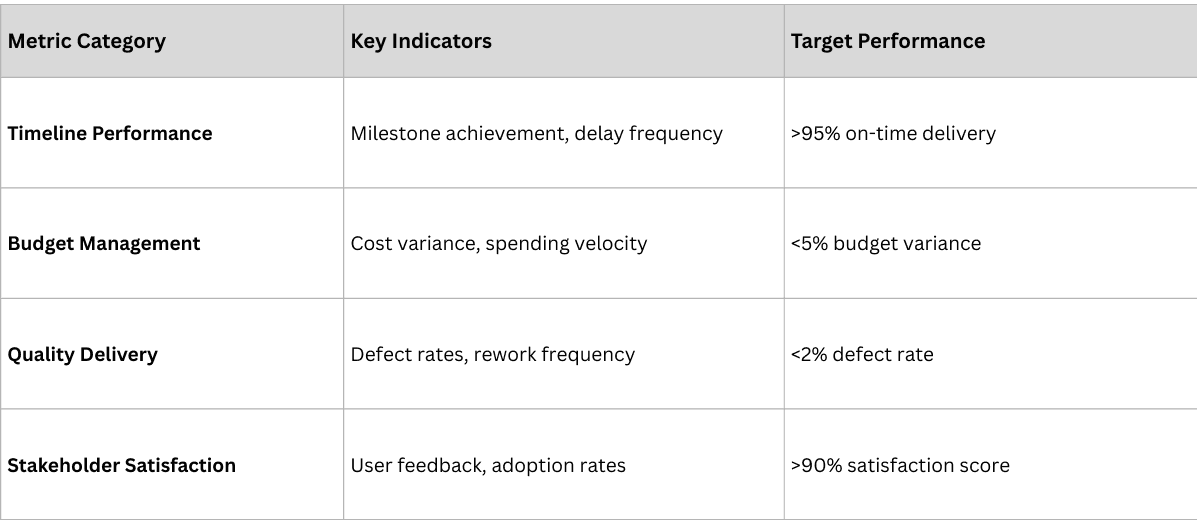
Success Metrics Definition: Clear, measurable KPIs that define project success and ongoing value realization
Critical Decisions:
Implementation scope and phasing strategy
Technology platform selection criteria
Organizational structure and governance model
Budget allocation and resource commitment
Phase 1 Success Checklist:
Complete stakeholder buy-in on project scope and objectives
Quantified business case with clear ROI projections
Defined success metrics and measurement framework
Approved budget and resource allocation
Project governance structure established
Success Indicator: All key stakeholders can articulate the project's strategic value beyond compliance
Phase 2: Platform Architecture and Design (Months 2-4)
The architecture phase focuses on technology platform selection, system design, and integration planning.
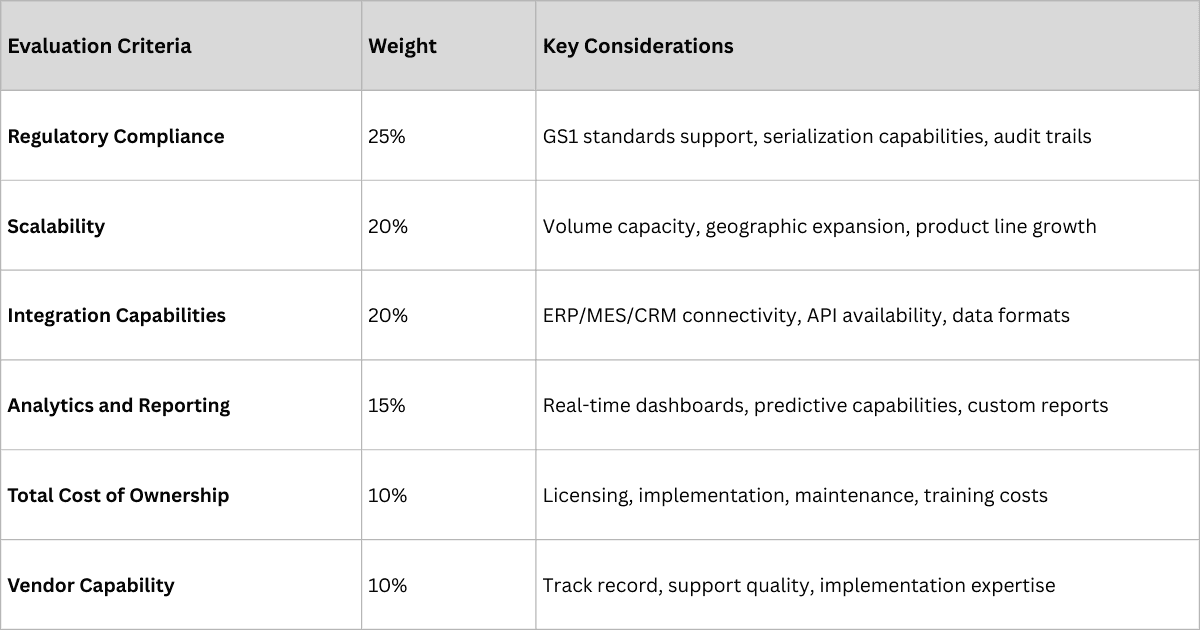
Technology Platform Selection Framework
Architecture Design Principles
Cloud-First Approach: Leverages scalability, security, and cost efficiency of modern cloud platforms
API-Enabled Integration: Ensures seamless connectivity with existing and future systems
Data Standardization: Implements GS1 standards for interoperability and compliance
Security by Design: Embeds robust security controls throughout the platform architecture
Integration Planning:
Successful implementations require careful integration with existing enterprise systems:
Traceability Platform Integration Map:
ERP Systems → Product Master Data, Inventory Management
MES Systems → Production Data, Batch Records
CRM Systems → Customer Information, Sales Data
WMS Systems → Warehouse Operations, Shipping
Analytics → Business Intelligence, Reporting
Phase 2 Deliverables:
Detailed technical architecture documentation
Selected technology platform and vendor contracts
Integration specifications and development plans
Security and compliance framework
Proof-of-concept validation results
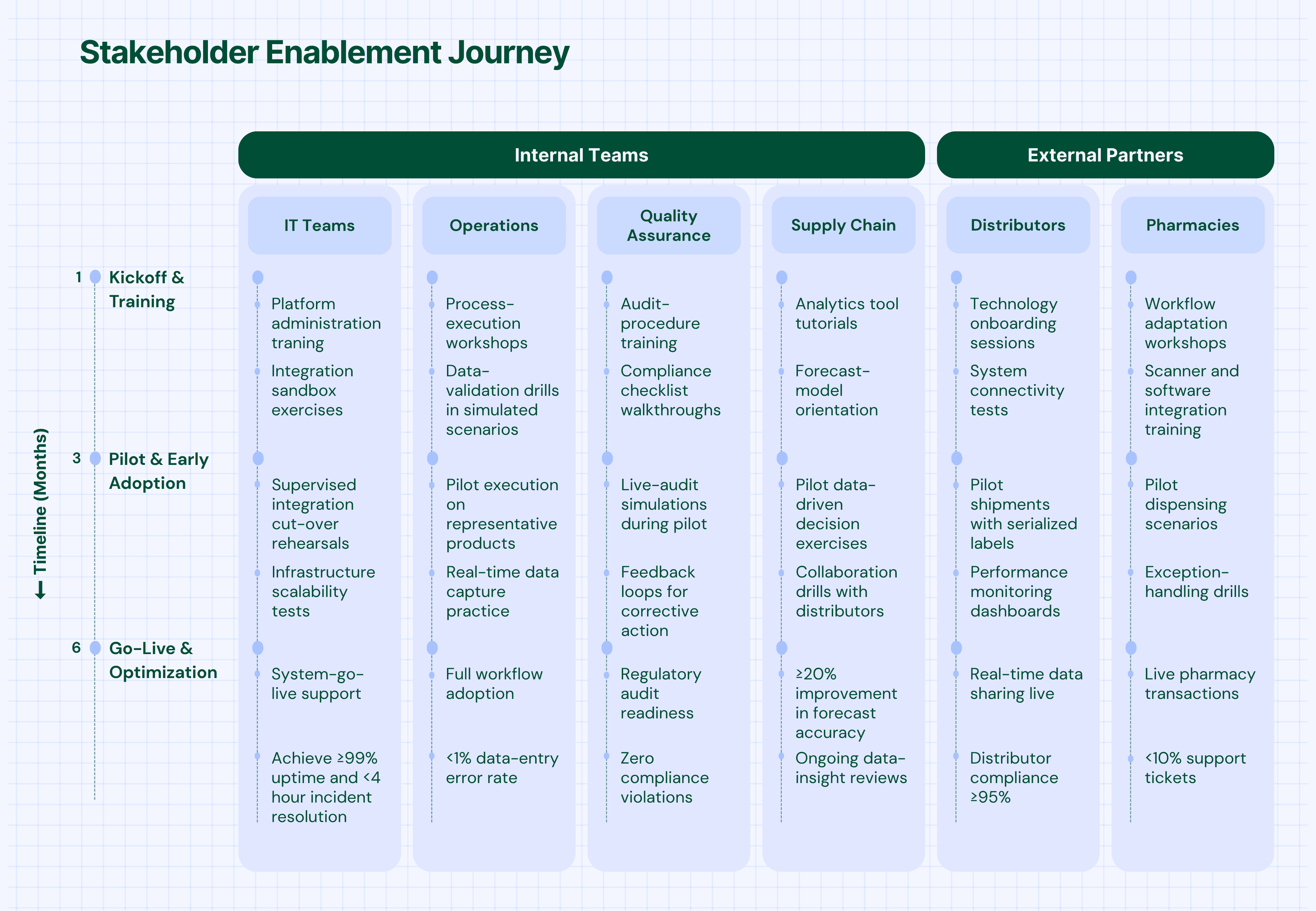
Phase 3: Stakeholder Enablement (Months 3-6)
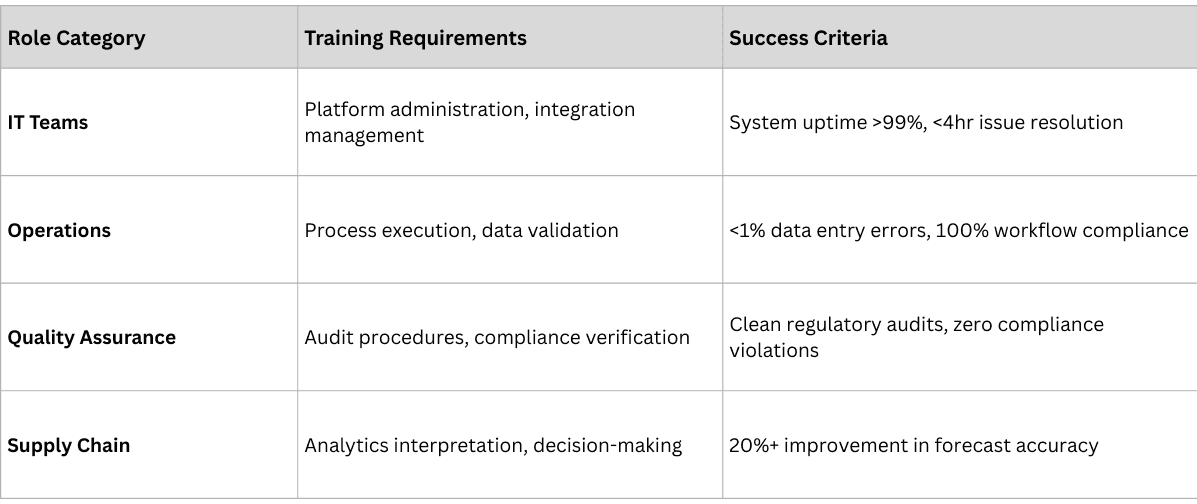
The enablement phase focuses on preparing all stakeholders—internal teams and external partners—for successful adoption.
Internal Team Preparation
External Partner Onboarding:
Distributor Enablement: Technology deployment, process training, performance monitoring
Pharmacy Integration: System connectivity, workflow adaptation, support provision
Logistics Coordination: Real-time data sharing, exception handling, performance tracking
Change Management Strategy
Successful adoption requires comprehensive change management addressing both technical and cultural aspects:
Communication Framework:
Executive Sponsorship: Visible leadership commitment and strategic messaging
Regular Updates: Bi-weekly progress communications and success story sharing
Feedback Mechanisms: Structured channels for user input and continuous improvement
Recognition Programs: Celebrating early adopters and implementation milestones
Training and Support:
Role-Specific Training: Customized programs for different user types and responsibilities
Hands-On Practice: Simulated environments for safe learning and skill development
Ongoing Support: Help desk, documentation, and peer support networks
Continuous Learning: Regular updates on new features and best practices
Phase 4: Pilot Implementation (Months 5-8)
The pilot phase validates the solution with a limited scope before full-scale deployment.
Pilot Scope Selection Criteria:
Representative Products: Include high-value, high-volume, and complex products
Diverse Geography: Test in different regulatory environments and market conditions
Varied Stakeholders: Include different distributor types, pharmacy formats, and customer segments
Manageable Scale: Large enough to validate capabilities, small enough to manage risks
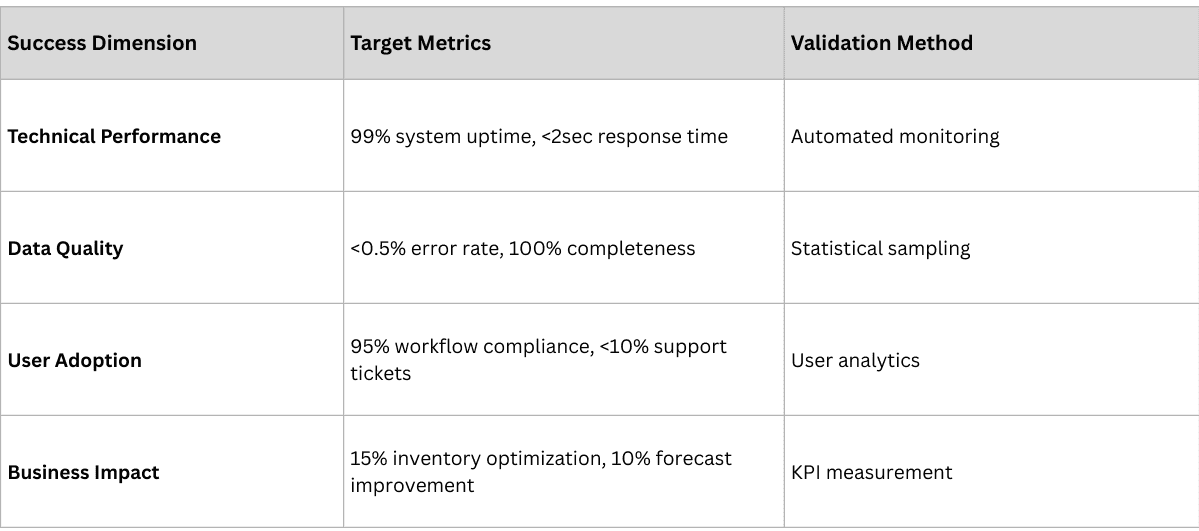
Pilot Success Framework
Risk Mitigation Strategies:
Parallel Operations: Run new and old systems simultaneously during transitionm
Rollback Procedures: Detailed plans for reverting to previous state if needed
Escalation Protocols: Clear procedures for rapid issue resolution
Stakeholder Communication: Proactive updates on pilot progress and lessons learned
Pilot Evaluation and Optimization:
The pilot phase should include structured evaluation and optimization cycles:
Week 2 Checkpoint:
Initial user feedback collection
Technical performance validation
Quick fixes and configuration adjustments
Month 1 Review:
Comprehensive performance analysis
User adoption assessment
Process refinement implementation
Month 2 Optimization:
Advanced feature activation
Integration enhancement
Scaling preparation
Phase 5: Full-Scale Deployment (Months 7-12)
The deployment phase scales the solution across the entire organization and supply chain.
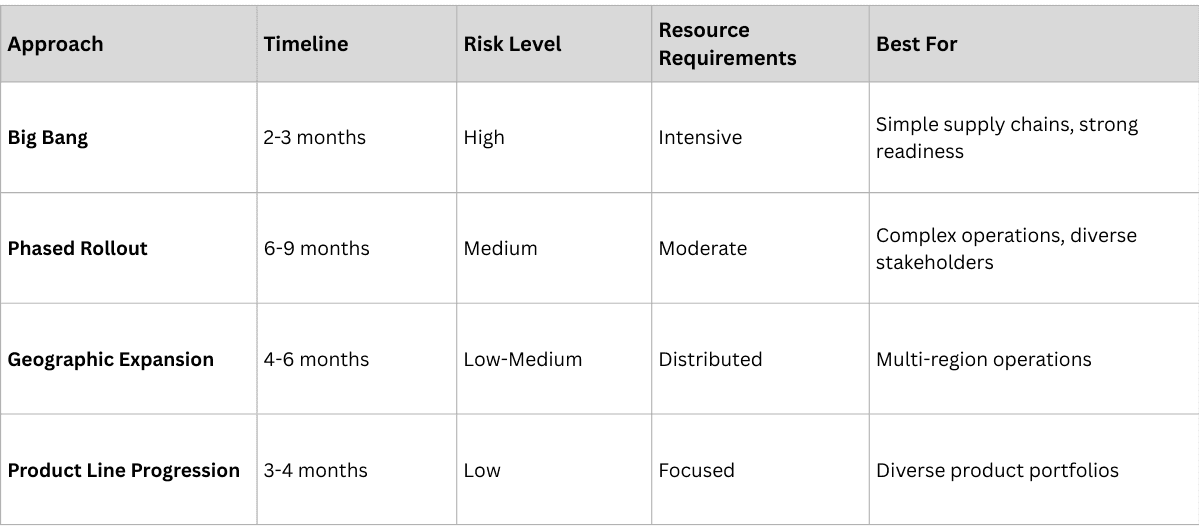
Deployment Strategy Options:
Deployment Execution Framework:
Pre-Deployment Preparation:
Final system testing and performance validation
Stakeholder readiness confirmation and sign-off
Support team preparation and resource allocation
Communication campaign launch and awareness building
Deployment Execution:
Coordinated go-live activities across all stakeholders
Real-time monitoring and issue response
User support and immediate problem resolution
Performance tracking and optimization
Post-Deployment Stabilization:
30-day performance monitoring and optimization
User feedback collection and system refinement
Advanced feature activation and capability expansion
Success measurement and ROI validation
Critical Success Factors
Our experience across multiple implementations has identified several factors that consistently determine success:
SSCC (Serial Shipping Container Code): Logistics unit identification
GLN (Global Location Number): Location and entity identification
EPCIS (Electronic Product Code Information Services): Event data sharing
Integration Capabilities:
The platform must integrate seamlessly with existing systems:
Real-Time Data Exchange: Immediate synchronization with ERP, MES, and CRM systems
Standardized APIs: Enable future integrations and ecosystem expansion
Data Quality Controls: Automated validation and error correction capabilities
Audit Trail Maintenance: Complete traceability of all system interactions
Zelthy's traceability and supply chain platform was built with these implementation principles in mind, layering AI intelligence on top of regulatory-grade serialisation infrastructure to deliver both compliance and operational returns.
Data Management and Quality
Data Governance Framework:
Data Standards: Consistent formats, definitions, and quality criteria
Data Ownership: Clear accountability for data accuracy and maintenance
Data Security: Access controls, encryption, and privacy protection
Data Lifecycle: Retention policies, archival procedures, and deletion protocols
Quality Assurance Processes:
Automated Validation: Real-time data quality checks and error flagging
Exception Handling: Procedures for managing data discrepancies and corrections
Performance Monitoring: Continuous tracking of data quality metrics
Continuous Improvement: Regular review and enhancement of data processes
Implementation Budget Planning
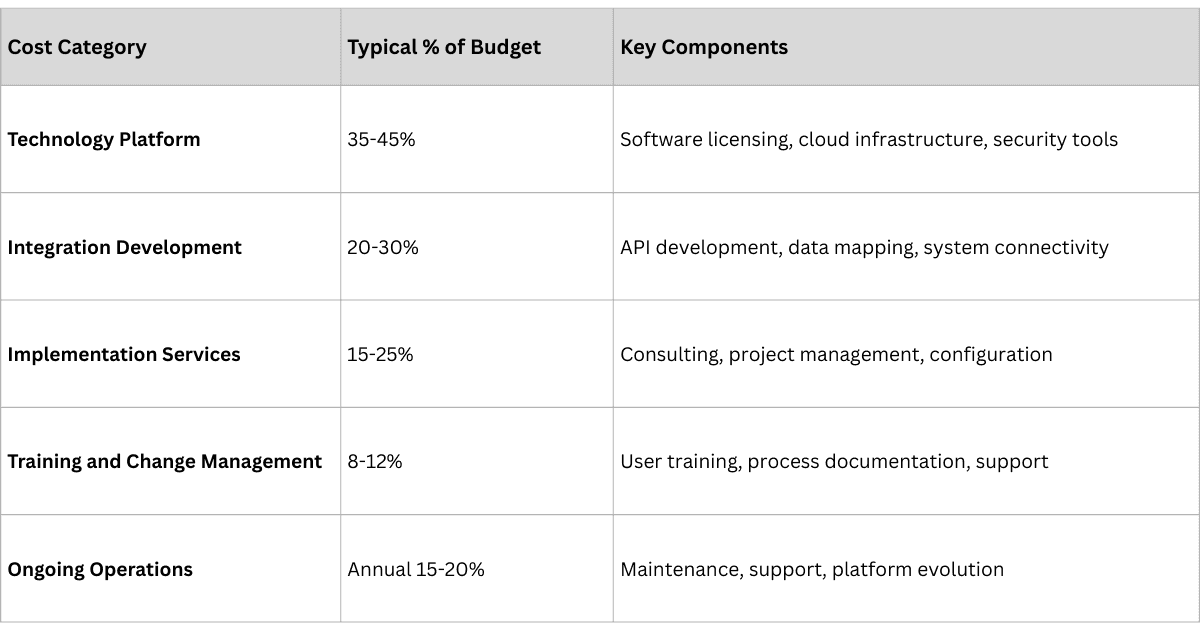
Understanding the true cost of traceability implementation is crucial for realistic planning and stakeholder expectations.
Cost Structure Analysis
Implementation costs vary by company size:
SMEs ($100M–$1B revenue) typically invest $500K–$2M over 6–12 months
large enterprises ($1B–$10B) invest $2M–$8M over 12–18 months
multinationals ($10B+) invest $8M–$25M over 18–24 months.
Key cost categories include technology platform licensing, system integration, stakeholder training, and ongoing operations and support.
Modular Architecture: Enable incremental capability addition without system disruption
API-First Design: Support future integrations and ecosystem expansion
Cloud-Native Approach: Leverage continuous platform improvements and scaling
Standards Compliance: Ensure compatibility with evolving industry standards
Regulatory Adaptability
Global Expansion Readiness:
Platform flexibility to accommodate different regulatory requirements
Multi-language and multi-currency support capabilities
Local compliance management and reporting features
Regional customization without core system modification
Regulation Evolution Management:
Monitoring systems for tracking regulatory changes
Impact assessment processes for requirement modifications
Agile modification capabilities for rapid compliance adaptation
Stakeholder communication systems for change management
Conclusion: The Path To Implementation Success
Implementing complete pharmaceutical traceability is neither simple nor straightforward, but it is absolutely achievable with the right approach, preparation, and execution. The companies that succeed follow proven frameworks, learn from others' experiences, and treat implementation as organizational transformation rather than technology deployment.
Key Success Principles
Strategic Clarity: Define success beyond compliance and align stakeholders around common objectives
Comprehensive Planning: Address technology, people, processes, and organizational change simultaneously
Stakeholder Engagement: Involve all participants in design, implementation, and optimization
Phased Execution: Validate approaches through pilots before full-scale deployment
Continuous Improvement: Monitor performance and optimize operations based on results
The pharmaceutical industry stands at a critical juncture where traceability implementation is shifting from regulatory requirement to competitive necessity. Companies that implement strategically, execute professionally, and optimize continuously will create lasting advantages that extend far beyond compliance.
The framework, strategies, and lessons shared in this guide represent collective learning from multiple successful implementations. While every implementation has unique characteristics, the fundamental principles of success remain consistent: clear strategy, comprehensive planning, stakeholder alignment, and disciplined execution.
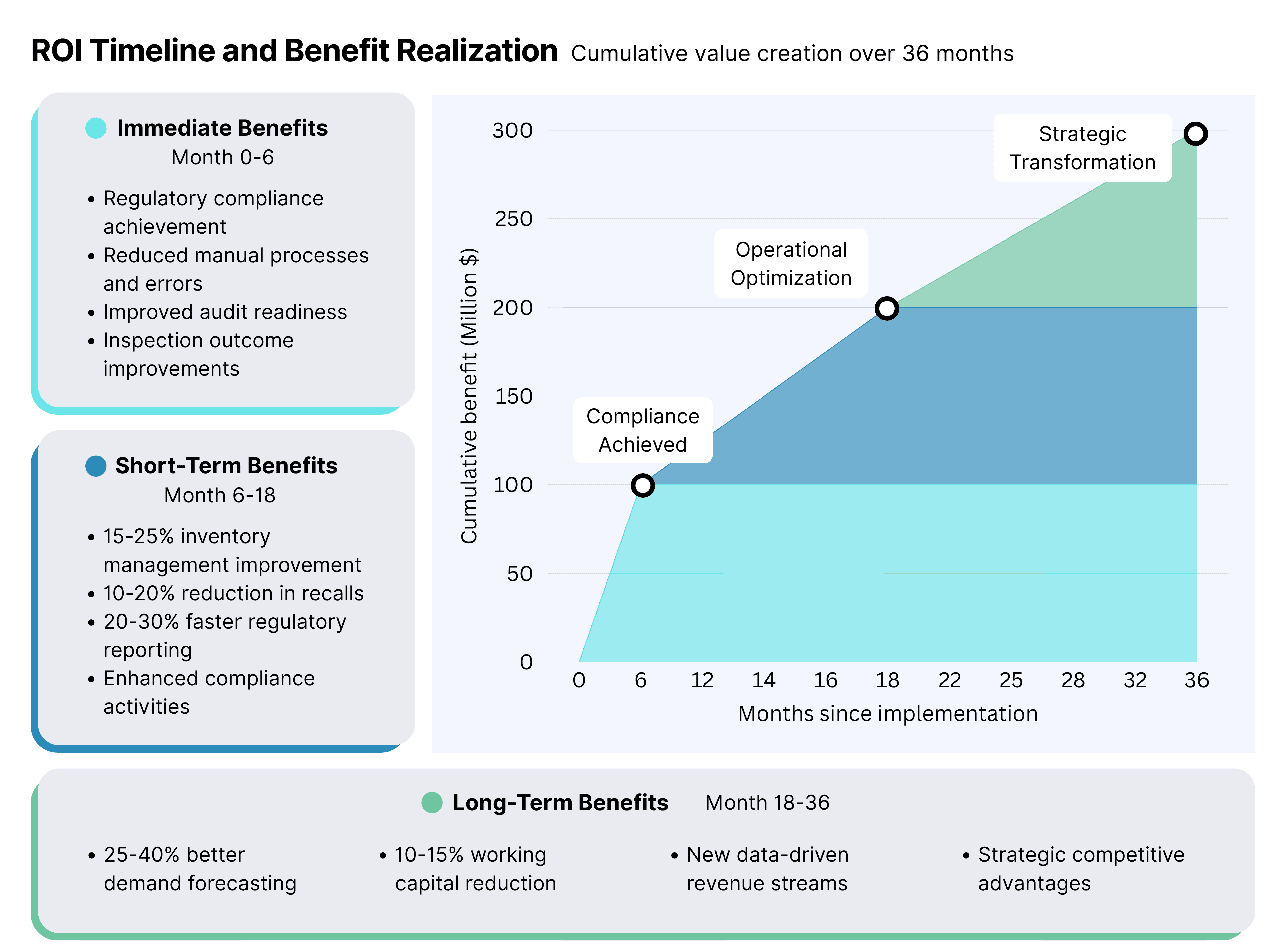
The investment in complete traceability implementation is significant, but the benefits—regulatory compliance, operational excellence, and competitive advantage—make it one of the most important strategic initiatives pharmaceutical companies can undertake today.
This implementation guide draws from real-world experience deploying traceability solutions across pharmaceutical companies ranging from mid-sized enterprises to global multinationals. The frameworks and strategies presented have been validated through successful implementations serving millions of patients and processing billions of pharmaceutical transactions.
White Paper: Beyond Track and Trace - Strategic Business Model Transformation
For specific questions about traceability requirements in your market or to discuss implementation strategies, feel free to reach out to our team at connect@zelthy.comor directly message us on LinkedIn.
Frequently Asked Questions
Why do most pharmaceutical traceability implementations fail?
Most implementations fail because companies treat traceability as a technology project rather than an organizational transformation. Common failure patterns include technology-first deployment without process redesign, stakeholder misalignment between manufacturers, distributors, and pharmacies, and a compliance-only mindset that builds minimum viable systems. One 11-site study found serialization capital costs averaged €600,000 per line — four times regulatory estimates — yet 88% of sites reported no net productivity gain, reflecting implementation without strategic intent.
What are the five phases of a successful traceability implementation?
A proven five-phase framework structures successful implementations: Phase 1 (Months 1–2) establishes strategic foundations and stakeholder alignment; Phase 2 (Months 2–4) covers platform architecture and integration design; Phase 3 (Months 3–6) focuses on change management and stakeholder enablement; Phase 4 (Months 5–8) runs a controlled pilot across representative products and geographies; Phase 5 (ongoing) drives continuous optimization and value expansion beyond the initial compliance goal.
What does a traceability business case need to include?
A traceability business case must quantify value beyond compliance to secure executive buy-in. It should project operational benefits (demand forecasting accuracy, inventory reduction, stockout prevention), commercial benefits (marketing ROI improvement, market share gains), and risk mitigation benefits (recall cost reduction, supply chain diversion losses prevented). Projects justified solely on compliance cost avoidance consistently underperform in adoption and value realization compared to implementations framed as strategic transformation initiatives.
Why did 52% of pharma plants skip aggregation in DSCSA implementation?
A 2021 PMMI survey found that 52% of pharmaceutical plants implementing US DSCSA standards skipped the aggregation data layer — which maps individual serialized units to cases and pallets — because aggregation was not explicitly mandated. This decision was operationally short-sighted: aggregation is the data layer that enables supply chain analytics, demand sensing, and diversion detection. Plants that skipped aggregation achieved regulatory compliance but forfeited the primary operational intelligence benefits that justify traceability investment.
How should pharmaceutical companies select a traceability platform?
Platform selection should follow architecture-first principles: cloud-native scalability, API-enabled integration with existing ERP, MES, WMS, and analytics systems, GS1 data standards compliance for interoperability, and security by design. Selection criteria should also assess the vendor's ability to support business model use cases — demand sensing, secondary sales analytics, patient engagement integration — not just regulatory reporting. The cheapest compliance platform often becomes the most expensive choice when value expansion is blocked by architectural limitations.
What change management approaches work in traceability rollouts?
Successful traceability change management requires visible executive sponsorship, role-specific training (not generic system training), hands-on practice in simulated environments, and structured feedback channels for frontline users. Bi-weekly progress communications and recognition programs for early adopters accelerate adoption. External partner onboarding — distributors, pharmacies, and logistics providers — requires dedicated enablement tracks, not just API documentation. Bain research indicates only 25% of companies rate their cross-ecosystem collaboration as highly effective, making partner enablement the most underfunded component of traceability programs.
How long does a full pharmaceutical traceability implementation take?
A well-structured end-to-end traceability implementation — from strategic foundation through pilot validation — typically spans 8–9 months, with continuous optimization extending beyond initial go-live. Strategic foundation and architecture design run in parallel across months 1–4, stakeholder enablement overlaps from months 3–6, and the pilot phase runs months 5–8. Organizations implementing complex multi-jurisdictional programs with ERP and MES integration should budget 12–18 months for the pilot phase alone, particularly when external partner onboarding involves multiple distributor systems.
European Commission. “Implementation measures by the commission in context of the falsified medicines directive.”
GS1 Healthcare. "Healthcare Supply Chain Traceability.” Industry Report.
Accenture. "Achieving high performance in pharmaceuticals through supply chain analytics."
Deloitte Insights. Deloitte Centre for Health solutions. "Intelligent drug supply chain: Creating value from AI." 2024.
Deloitte Insights. Deloitte Centre for Health Solutions. “Pharma’s supply chain workforce.” 2024.
Vergara, I. T. & McKinnell, D. “Optimising pharmaceutical supply chain digitalisation through serialisation and traceability: A perspective beyond compliance.” Deloitte Blogs, 2023.
TraceLink. “Global Drug Supply, Safety and Traceability Report.” Industry Report, 2025.
ISPE (International Society for Pharmaceutical Engineering). "Good Practice Guide: Digital Validation." Technical Guidelines, 2025.
ISPE (International Society for Pharmaceutical Engineering). "GAMP 5: A Risk-Based Approach to Compliant GxP Computerized Systems." 2022.
Alphena Pharma Solutions. “Track and Trace: A Step-by-Step Guide to Implementing an Effective Program.”
O' Mahony, D., Lynch, A., & McDermott, O. (2024). The Impact of Serialisation on Operational Efficiency and Productivity in Irish Pharmaceutical Sites. Therapeutic innovation & regulatory science, 58(5), 883–896. Available at: https://doi.org/10.1007/s43441-024-00662-1
Hernan Saenz, Joshua Hinkel, and Tessa Bysong. “Traceability: The Next Supply Chain Revolution.” Bain & Company. 2021.